Call Us: +44 (0) 1843 233030 sales@rdds.co.uk

How Ethernet Video Is Replacing Legacy Video Standards in Mission Systems

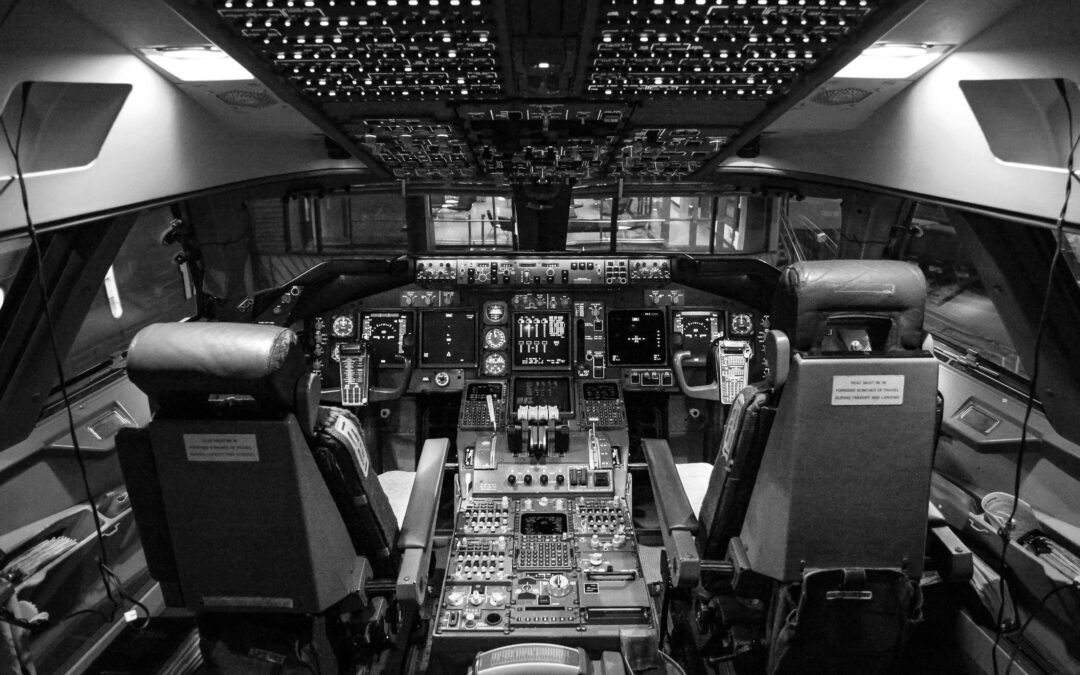
Modern defence and aerospace platforms are generating and processing more video data than ever before. From ISR sensor feeds and mission computers to multi-display cockpit environments, today’s systems require fast, reliable and scalable video architectures capable of supporting increasingly complex operational demands.

Traditional video standards have supported mission systems for decades, but the growing need for higher resolutions, greater flexibility and easier integration is driving a shift towards Ethernet-based video architectures.

The Limitations of Legacy Video Systems

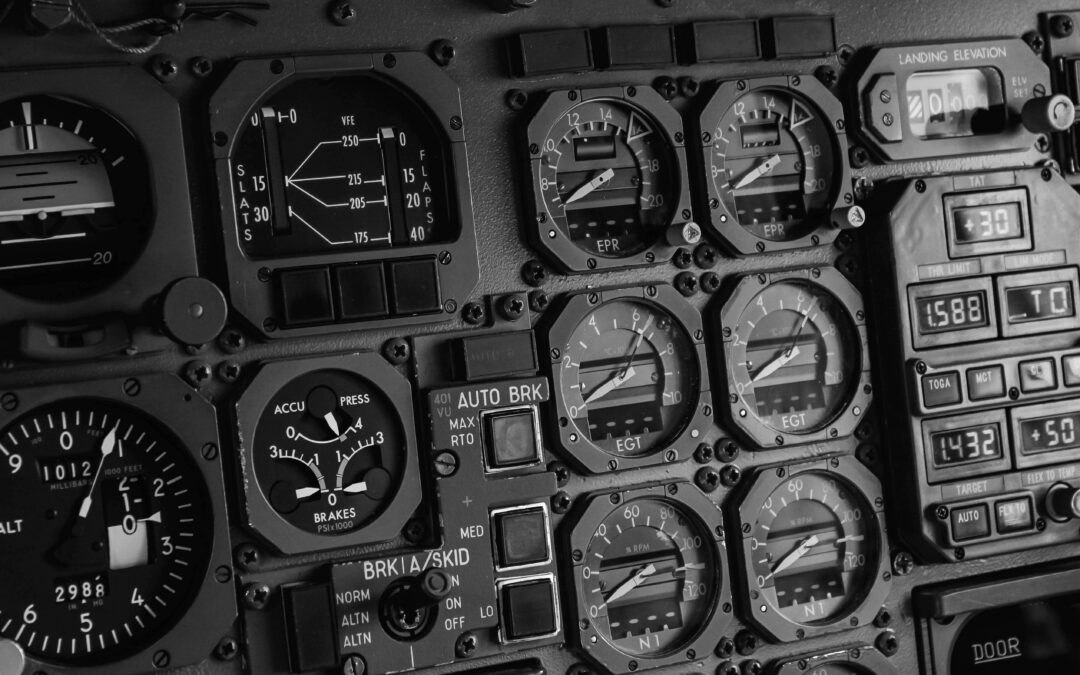
Many legacy mission systems were designed around fixed point-to-point video connections and dedicated switching hardware. Whilst highly effective for earlier platform requirements, these architectures can present challenges when integrating modern sensors, displays and processing systems.

Common limitations include:

  • Restricted bandwidth capability
  • Increased cabling complexity
  • Difficult scalability when adding new systems
  • Limited flexibility for future upgrades
  • Greater integration challenges across multiple platforms
  • Obsolescence concerns for older interface technologies

As mission requirements continue to evolve, defence integrators increasingly require architectures that can support larger amounts of video data whilst remaining adaptable for future capability growth.

Why Ethernet Video Is Growing

Ethernet-based video architectures provide a more flexible and scalable approach to modern mission system design.

Rather than relying solely on dedicated video connections, Ethernet video enables video data to be distributed across networked systems, allowing multiple sensors, processors and displays to communicate more efficiently.

Key advantages include:

Scalability

Ethernet networks can support expanding system architectures more easily than traditional point-to-point video systems, making future upgrades and platform modifications simpler to manage.

Reduced Cabling Complexity

Network-based architectures can reduce the amount of dedicated cabling required across a platform, helping minimise weight, simplify installation and improve maintainability.

Support for Higher Data Rates

Modern mission systems increasingly utilise high-definition and multi-sensor video feeds. Ethernet technologies are better suited to supporting the bandwidth demands of these advanced applications.

Improved System Flexibility

Ethernet video architectures allow video streams to be routed dynamically between systems, improving operational flexibility and enabling more modular mission system designs.

Drivers Within Defence and Aerospace

Several industry trends are accelerating the adoption of Ethernet video technologies across defence platforms.

Modern aircraft, ground vehicles and maritime systems often require:

  • Multiple simultaneous sensor feeds
  • Real-time situational awareness
  • Distributed mission processing
  • Advanced ISR capabilities
  • Multi-display operator environments
  • Easier integration of future technologies

As platforms become more software-driven and data-centric, Ethernet-based architectures offer a more adaptable foundation for supporting these evolving operational requirements.

Engineering Considerations

Whilst Ethernet video offers significant advantages, implementing network-based video architectures within mission-critical environments also introduces engineering challenges.

Areas requiring careful consideration include:

  • Deterministic latency
  • Network reliability and redundancy
  • EMI and EMC performance
  • Cyber security
  • Environmental ruggedisation
  • Certification and qualification requirements

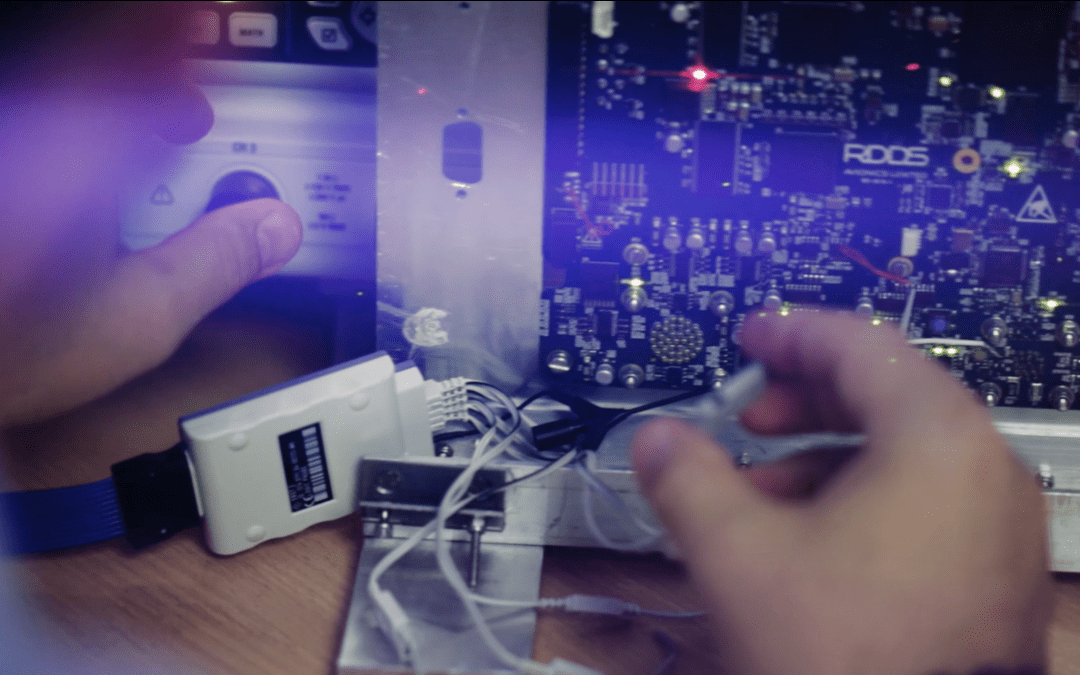
Ensuring reliable video transmission in demanding operational environments requires robust hardware design and careful system integration.

Supporting Modern Mission System Architectures

As defence platforms continue moving towards more connected and modular system architectures, Ethernet video is expected to play an increasingly important role in future mission system development.

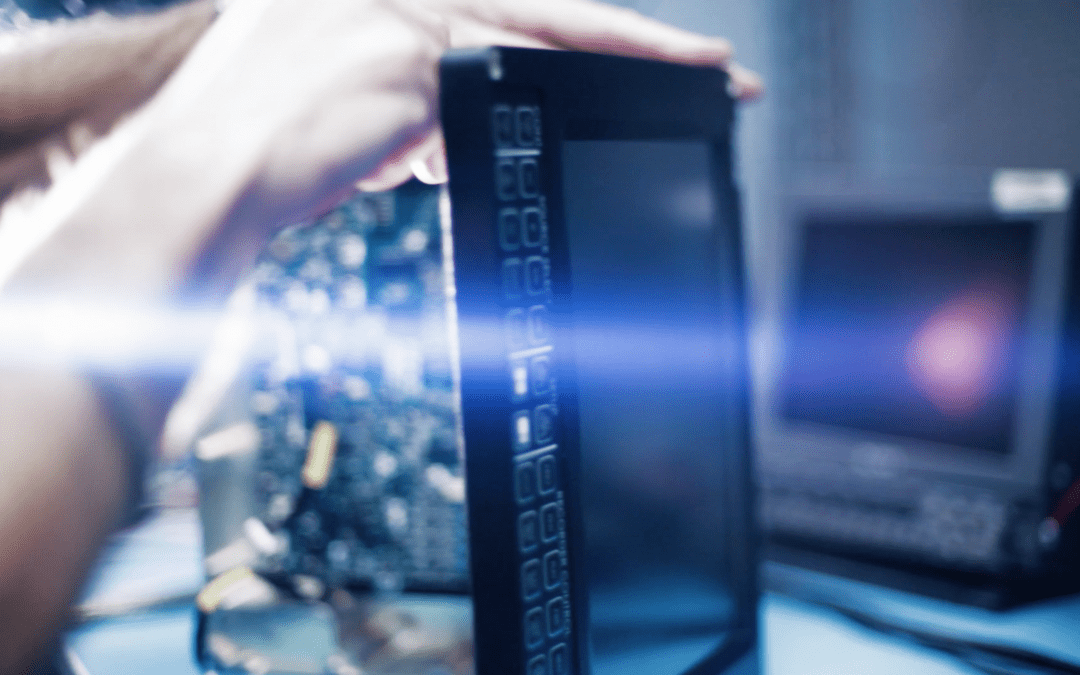
At RDDS Avionics, our experience in rugged displays, video management and mission system integration supports programmes requiring reliable video distribution and processing capabilities across demanding aerospace and defence applications.

To learn more about RDDS Avionics’ video management capabilities, visit:
https://rdds.co.uk/video-management/

If you want to learn more about RDDS’s Video Management systems

Speak to our team

RDDS Avionics Limited

Marlowe House, Whitstable,

Kent CT53FE, United Kingdom

E-Mail: Sales@rdds.co.uk

Tel: +44 (0) 1843 233 030