

Why Engineering Support Matters After Delivery
For mission-critical equipment, delivery is not the end of the engineering process.
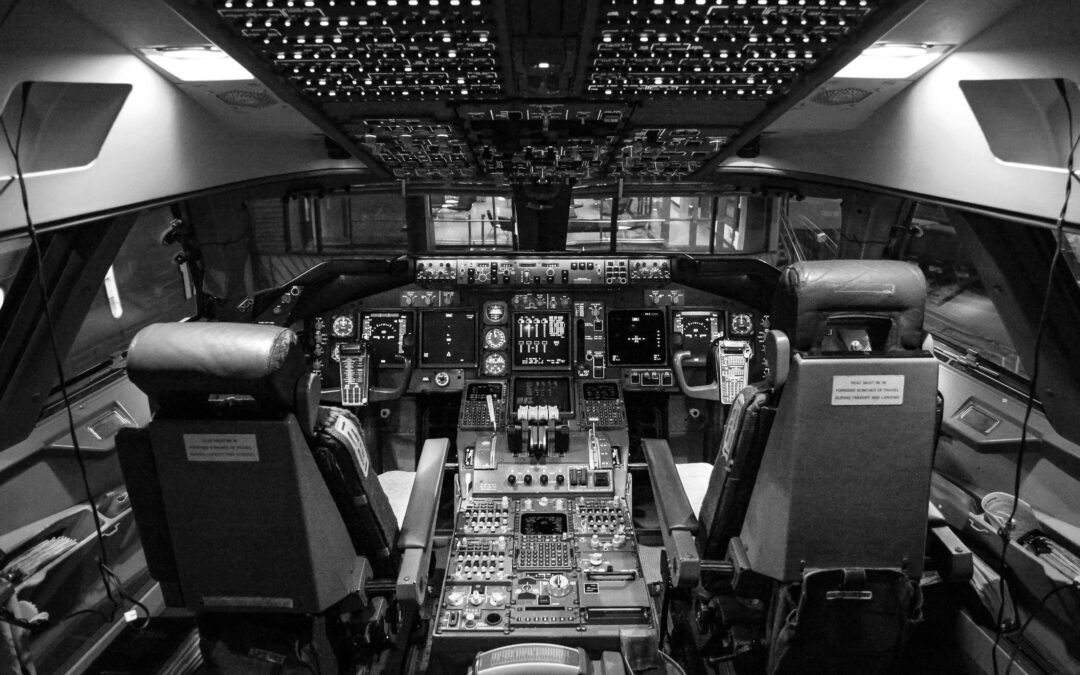
When equipment is installed on an aircraft, vessel or specialist land platform, it may be expected to operate reliably for many years. During that time, the platform, technology and operational requirements around it can all evolve.
That is why effective engineering support throughout the life of a product is so important.
At RDDS Avionics, product support is built around this principle. Our dedicated customer service team works alongside Production and Design Engineers, many of whom have been directly involved in the development and manufacture of the equipment being supported. This means customers can draw on the same engineering knowledge that went into creating the product in the first place.
Supporting equipment throughout its lifecycle
Mission-critical hardware doesn’t exist in isolation.
Once deployed, equipment can encounter changing requirements, component obsolescence, evolving system architectures and the inevitable wear associated with demanding operational environments.
A product may therefore require more than an initial installation and routine maintenance. Customers may need technical assistance, repairs, modifications, replacement components or changes to the equipment as the wider platform develops.
At RDDS, through-life support can encompass:
Design → Manufacture → Integration → Operation → Repair → Modification → Upgrade → Through-Life Support
This approach allows support requirements to be considered as part of the wider product lifecycle rather than only when a problem occurs.
When equipment needs to be repaired
Even rugged, qualified equipment can be subject to damage or failure when operating in demanding mission environments.
The ability to diagnose the problem efficiently is therefore just as important as the ability to repair it.
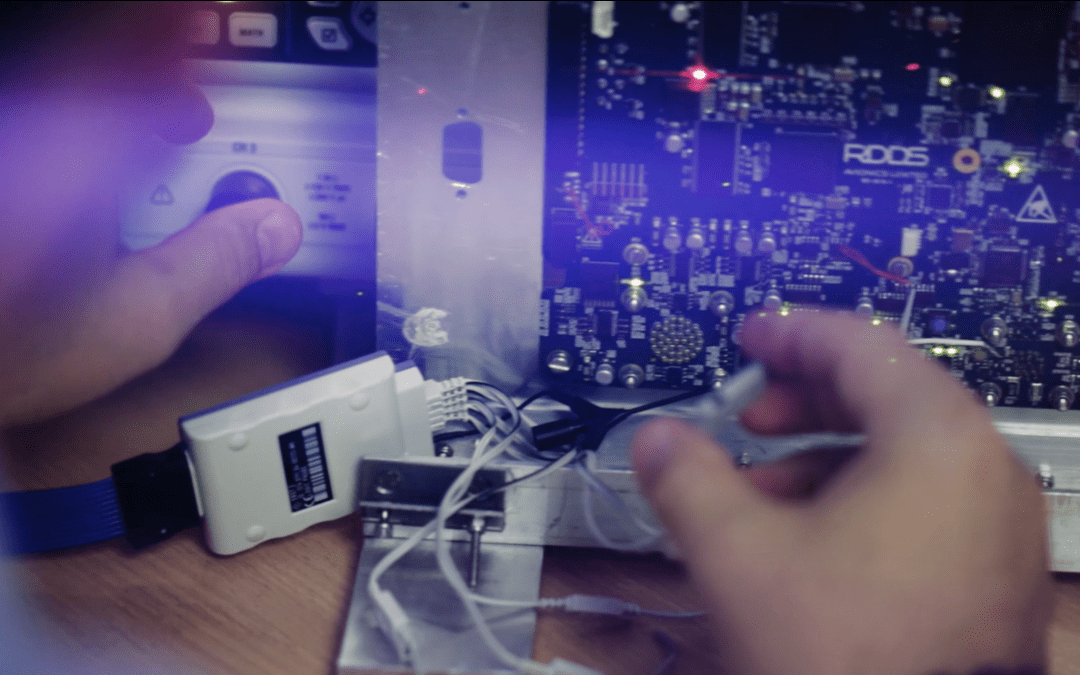
RDDS’s repair process includes initial unit inspection, testing and fault finding, confirmation of the fault, agreement of repair terms, repair and return of the unit with release certification. The company also provides emergency Aircraft-on-Ground repair support and aims for an average 14-day repair turnaround, with same-day repairs possible in special cases.
Behind this process is engineering expertise in fault finding and problem solving.
For the customer, this means the objective is not simply to return a unit, but to understand the issue and resolve it efficiently.
Engineering knowledge doesn’t stop at delivery
One of the advantages of supporting equipment that has been designed and manufactured in-house is the knowledge retained within the organisation.
RDDS’s Design and Production teams work closely together, building knowledge of the equipment from its initial development through manufacture and into its operational life.
That knowledge can become particularly valuable when equipment needs to be modified.
A customer may require a change to an interface, firmware update, display configuration or another element of an existing system. Rather than automatically treating this as a completely new development, engineers can assess the existing equipment and determine what changes are appropriate.
Supporting changing requirements
Mission requirements don’t remain static.
As platforms evolve, hardware requirements can change too. RDDS provides modification programmes ranging from firmware updates and changes to interface control panels or displays through to form, fit and function replacements where more fundamental changes are required.
This is where engineering support and bespoke capability overlap.
Because RDDS designs and manufactures its equipment in-house, modifications can be approached with an understanding of the existing hardware, interfaces and design intent.
For example, RDDS displays can be adapted to support changes such as alternative I/O, touch or non-touch configurations, different key layouts, viewing angles and NVIS requirements.
The result is a more flexible approach to supporting equipment as requirements develop.
Managing obsolescence
Another challenge facing long-life platforms is component obsolescence.
Electronic components do not necessarily remain available for the entire operational life of the platform on which they are installed. When a component becomes obsolete, simply replacing it with the newest available alternative may not be straightforward.
The replacement may have different electrical, mechanical or functional characteristics, potentially requiring engineering assessment and further testing.
Through-life support can therefore include obsolescence and configuration management, helping customers manage changes while maintaining control of the equipment and its configuration. RDDS can also provide maintenance contracts tailored to the customer’s maintenance policy and usage profile.
Reliability starts before the equipment is delivered
Through-life support also begins before a product enters service.
During the design process, RDDS engineers use reliability analysis including Mean Time Between Failure (MTBF) calculations based on MIL-HDBK-217F. This information contributes to Failure Mode Effects and Analysis (FMEA), helping identify potential failure modes, their effects and methods of detection.
This provides an important link between design and support.
Understanding how equipment is expected to perform, how potential failures can be detected and which areas may require attention can all contribute to a more effective support strategy once the equipment enters service.
Support for the life of the programme
Through-life support can extend beyond repairs and modifications.
RDDS has experience providing customer-tailored Logistic Support contracts, including operator and maintenance training, spares provisioning, maintenance contracts and post-design services. Spare requirements can also be determined using factors such as MTBF, mission profile and customer turnaround requirements. Training can be provided at RDDS’s UK facility or at the customer’s site in Europe or overseas.
This creates a support structure around the equipment rather than treating individual repairs as isolated events.
Engineering support is part of the product
For equipment operating in safety-critical and special mission environments, the relationship between manufacturer and customer shouldn’t necessarily end when the product is delivered.
The ability to repair, modify, troubleshoot and manage equipment throughout its operational life can be just as important as the original design.
At RDDS, our engineers support equipment from design and manufacture through integration, repairs and modification programmes, with the capability to continue supporting customers throughout the service life of their equipment.
Because for mission-critical hardware, the engineering relationship doesn’t end at delivery.

Reach Out



Marlowe House, Whitstable,
Kent CT53FE, United Kingdom
Tel: +44 (0) 1843 233 030
